Improved Operational Accuracy & Consistency
Deliver precise container handling, real-time tracking, and standardized processes across terminal operations.
Container Terminal Operations with AI-Powered Digitalization
Transform container terminal operations with a cloud-native platform that unifies gate, yard, vessel, rail, and billing processes. Harness AI-driven automation, real-time visibility, and predictive insights to boost throughput, reduce delays, and maximize operational performance.
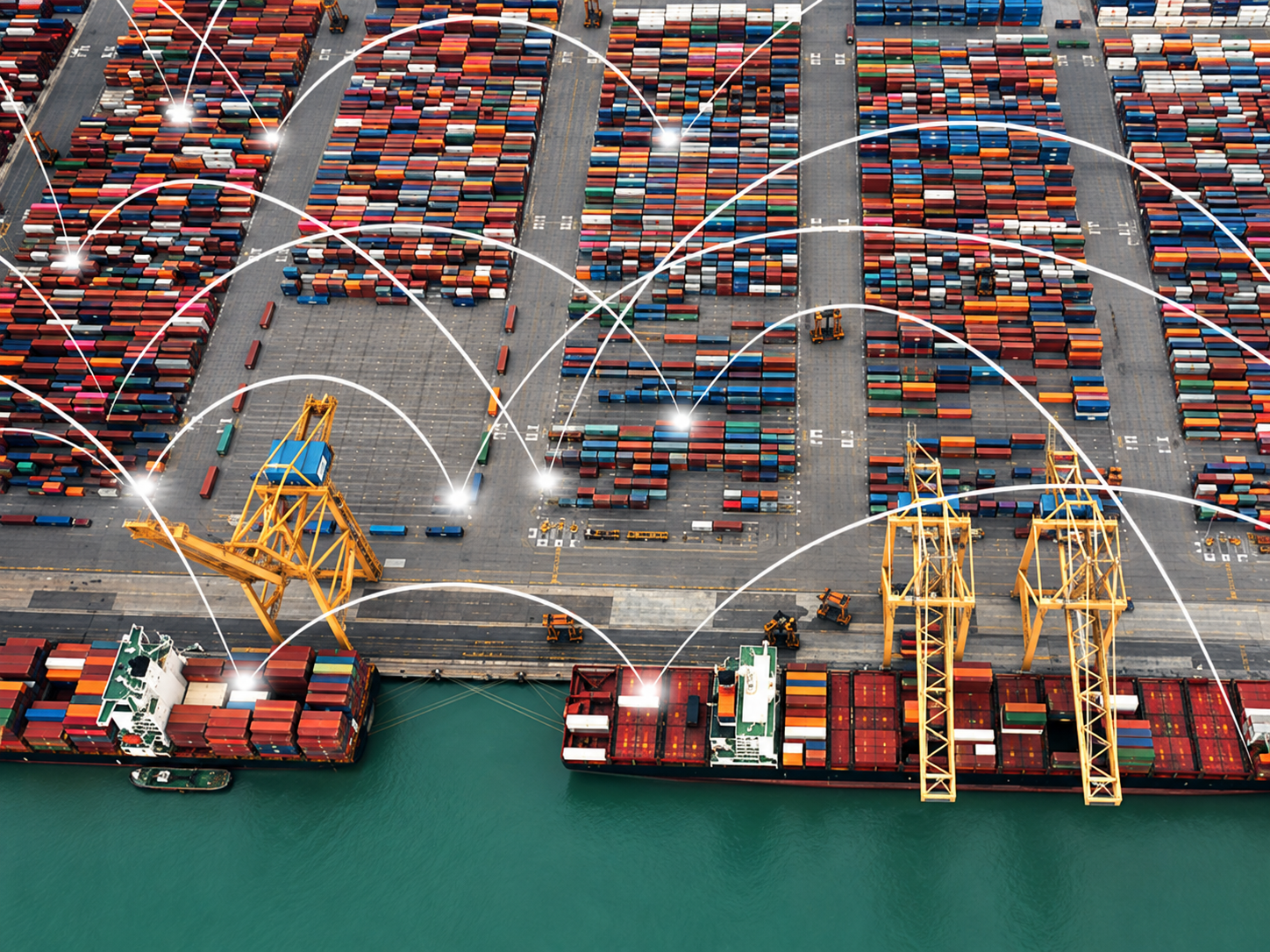
Operational Challenges
When vessel information, marine service updates, & port-call records are maintained in separate workflows, update confirmation & information reconciliation is delayed resulting in increased risk of avoidable delays & service disruption.
Without a clear operational view, managers may struggle to understand current activity status, identify pending actions, and determine where intervention is required leading to reduced transparency & slower exception handling.
Inconsistency in appropriate safety checks, clear responsibilities, & reliable operational records increase risk of operational hazards & delays verification of completed activities.
Value Outcomes
Harness AI-powered terminal digitalization to drive faster operations, smarter decisions, and measurable business outcomes across your container terminal ecosystem.
Deliver precise container handling, real-time tracking, and standardized processes across terminal operations.
Lower labour-intensive activities, eliminate inefficiencies, and maximize resource utilization with AI-powered automation.
Unify gate, yard, vessel, billing, and customer service processes on a single digital platform for seamless execution.
Coordinate marine activities with a clearer operational view and a more structured approach to port-call execution. Discuss your requirements with the LogStar Cloud team to understand how the solution could fit your existing operations.
Request a DemoA marine operations management system helps organize and coordinate activities such as vessel movements, marine services, safety checks, and port-call execution. It supports structured workflows and improved access to operational information.
Digital workflows can help teams coordinate activities, reduce reliance on manual updates, and maintain clearer operational records. The resulting improvements depend on the processes implemented and how effectively teams use the system.
Marine Operations focuses on coordinating marine movements, services, safety checks, and port-call execution. Vessel Operations, as described separately in LogStar Cloud's product structure, covers vessel calls, berth planning, EDI messaging, stow planning, and cargo execution. The two functions may complement each other, depending on the implementation.
Integration requirements should be assessed against the existing technology environment, including operational systems, data exchange requirements, and reporting tools. LogStar Cloud publishes EDI and related integration capabilities, but the specific interfaces and compatibility requirements should be confirmed during evaluation.
Start by identifying your current marine workflows, vessel and port-call coordination requirements, safety documentation needs, reporting expectations, and integration dependencies. A product demonstration can then help determine which capabilities fit your operating model and what configuration or implementation work may be required.
Related Modules
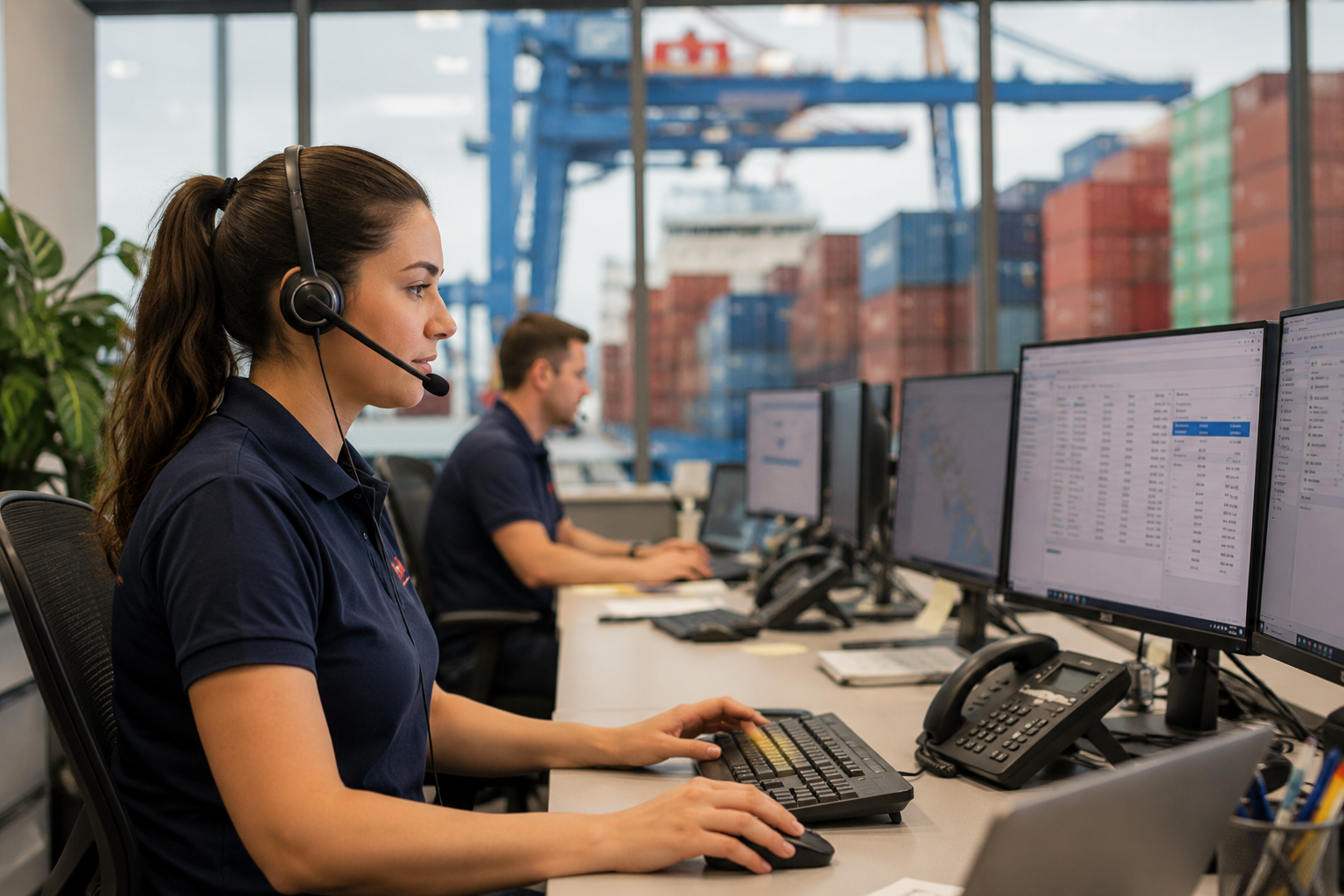
admin
Bookings, customer requests, shipment visibility, and service workflows for connected logistics teams.
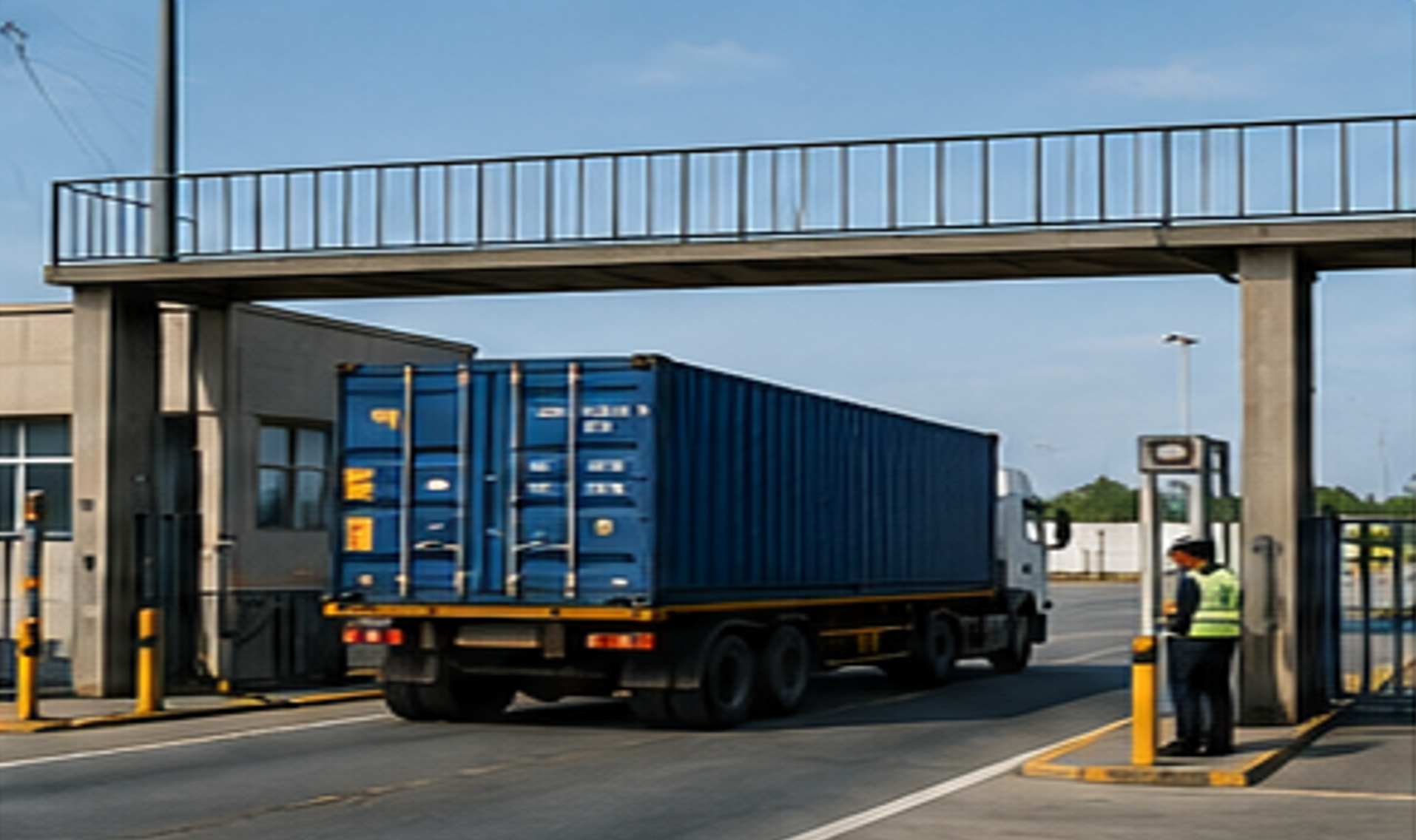
operations
Vehicle entry, exit, verification, weight checks, and secure gate movement control.
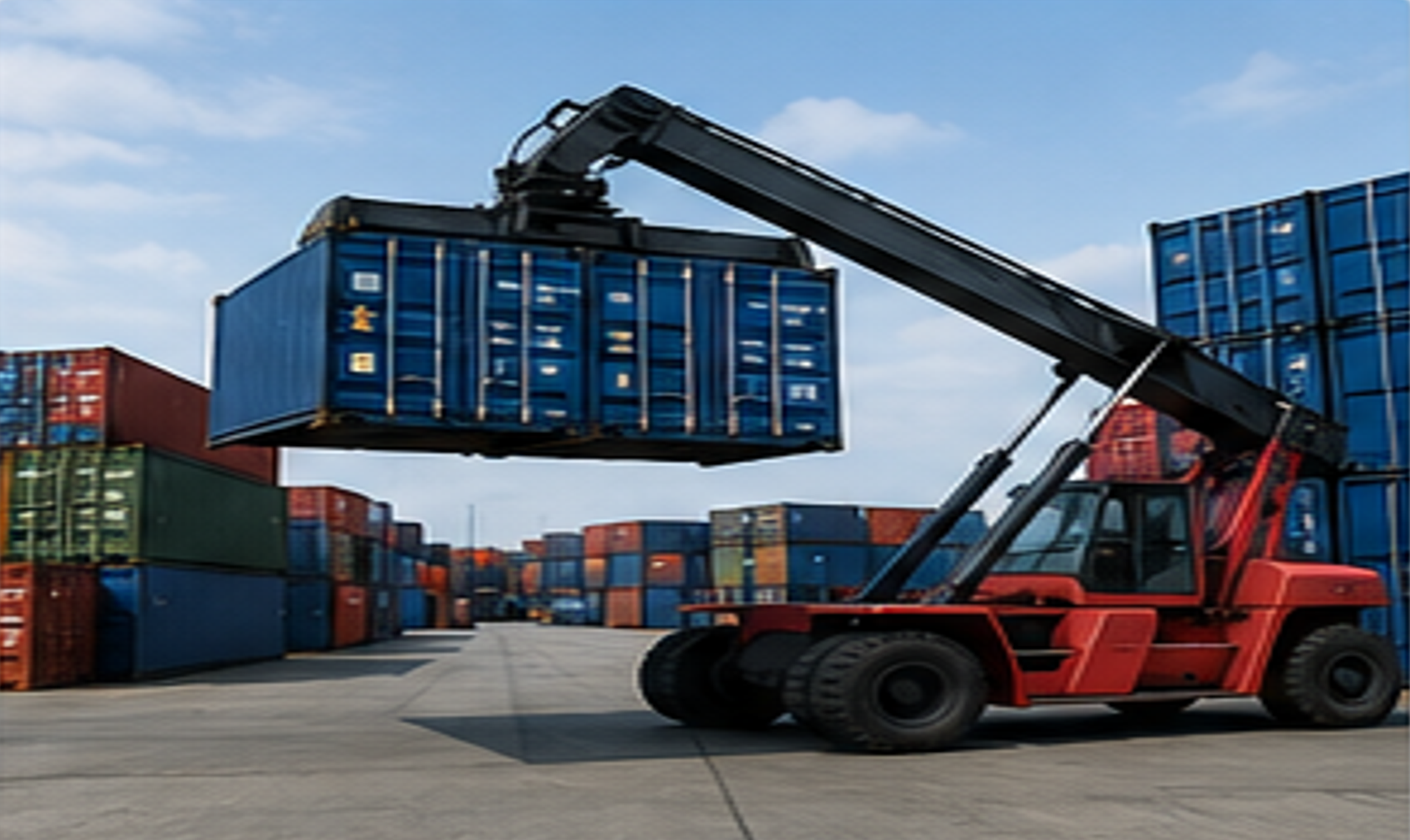
operations
Yard planning, container positioning, work orders, equipment movement, and utilization visibility.
operations
Vessel calls, berth planning, EDI messages, stow coordination, and live cargo execution.

operations
Train planning, rake handling, wagon control, yard coordination, and rail movement reporting.

operations
Container inspection, damage capture, repair workflows, estimates, approvals, and billing support.

finance
Contract rules, event-based billing, invoicing, receipts, approvals, and ERP-connected revenue control.